Introduction to Civil Rights Law
Civil rights law encompasses a framework of legislation aimed at protecting individuals from discrimination while ensuring equitable treatment under the law. The primary purpose of these laws is to safeguard the fundamental rights of individuals, particularly in contexts that have historically been marked by inequality and injustice. Civil rights laws address various forms of discrimination, including race, gender, age, disability, and religion, seeking to establish a society where all individuals can enjoy their freedoms and equality without fear of persecution.
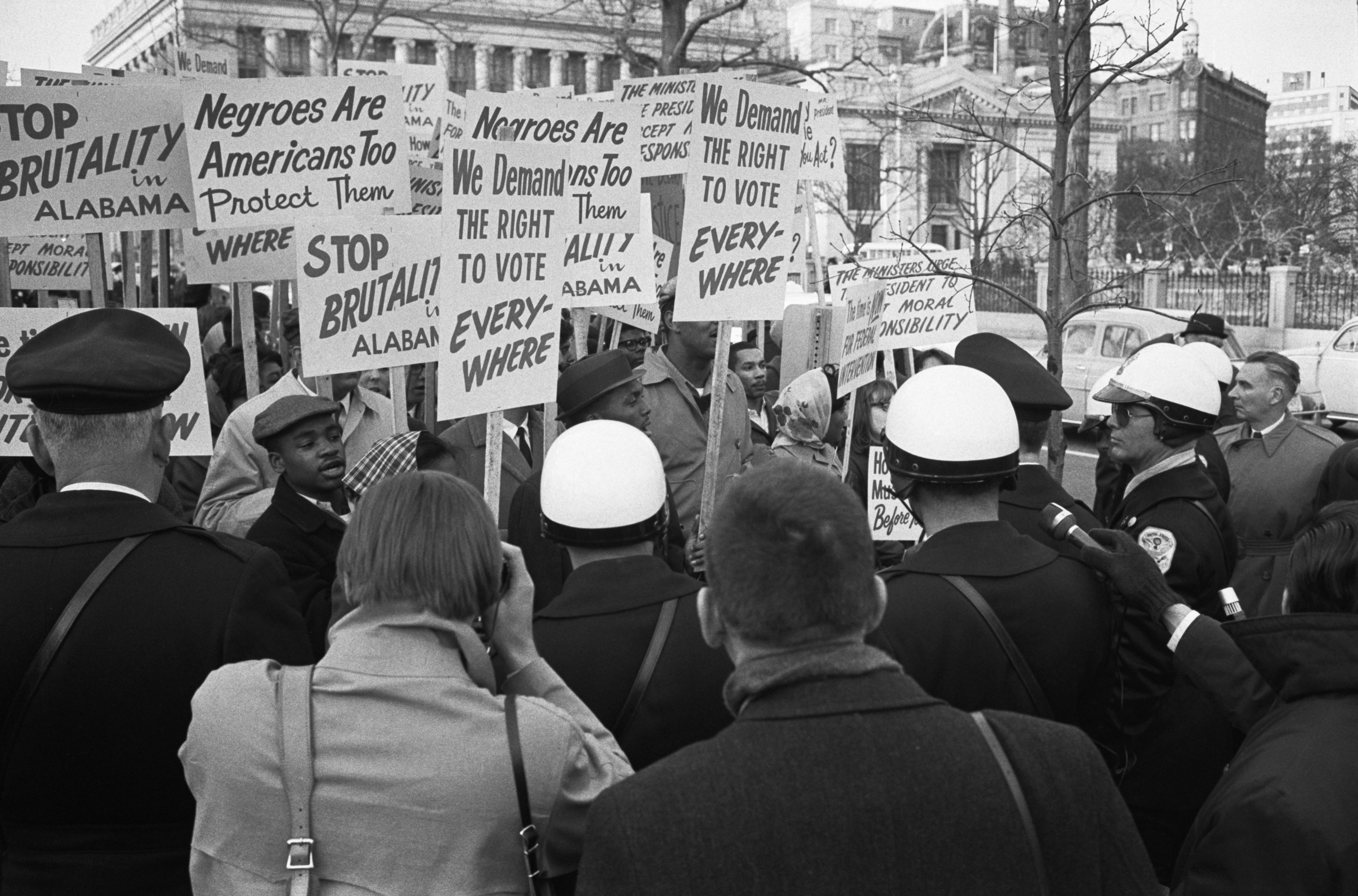
The historical context of civil rights legislation in the United States is rich and complex. The journey towards civil rights protections began in earnest during the mid-20th century, as grassroots movements confronted systemic racial and social injustices. One of the most significant milestones in this struggle was the enactment of the Civil Rights Act of 1964, which outlawed discrimination on the basis of race, color, religion, sex, or national origin. This landmark legislation not only provided legal recourse for victims of discrimination but also established the groundwork for ongoing advocacy for equal rights.
Another pivotal piece of legislation, the Voting Rights Act of 1965, aimed to eliminate barriers that prevented African Americans and other minorities from exercising their voting rights. This Act represented a crucial step towards rectifying historic disenfranchisement and enforcing the principle of equal participation in the democratic process. The impact of such landmark laws continues to shape civil rights discourse today, particularly as contemporary issues, including police misconduct, come to the forefront. Understanding civil rights law is essential for navigating these issues and ensuring that individuals can assert their rights effectively within the legal system.
Police Misconduct and Brutality: Definitions and Examples
Police misconduct refers to inappropriate or unlawful actions taken by law enforcement officials during the course of their duties. This can encompass a wide range of behaviors, from the use of excessive force to systematic racism, such as racial profiling. On the other hand, police brutality specifically focuses on the excessive and unreasonable use of force against individuals, typically characterized by physical violence. Although both terms are interconnected, understanding the distinction is essential for addressing issues within law enforcement.
Excessive force is one of the most prevalent forms of police misconduct. This occurs when officers apply more physical power than is necessary to control a situation. Common examples include unnecessary physical restraint during an arrest or the use of firearms when less aggressive methods could suffice. Wrongful arrests also fall under police misconduct, where individuals are detained without sufficient cause or evidence, often leading to severe personal and financial repercussions. Moreover, racial profiling involves targeting individuals based solely on their race or ethnicity, rather than their behavior, which perpetuates systemic issues within society and can lead to devastating consequences for affected communities.
Legal implications surrounding police misconduct and brutality are significant. Victims often seek justice through civil rights lawsuits, which can hold officers accountable for their actions. These cases frequently highlight the need for systemic reform within police departments to ensure the protection of civil rights. The impact of police misconduct on communities is profound, as it fosters distrust between law enforcement and the very citizens they are sworn to protect.
Real-life cases of police brutality, such as those involving high-profile incidents that have sparked national outrage, serve as stark reminders of the necessity for accountability and reform. The consequences of these actions not only affect the victims but also have broader societal ramifications, underscoring the urgency for change in law enforcement practices to restore faith in the justice system.
Legal Recourse: How to Seek Help and File Claims
Experiencing police misconduct can be distressing, and understanding the legal recourse available is crucial for affected individuals. First, it is essential to document the incident thoroughly. This includes taking notes immediately after the event, gathering witness contact information, and capturing photographic evidence, if possible. Any evidence collected can serve as critical support in establishing a claim for civil rights violations.
Once the incident has been documented, the next step is to report the misconduct. Individuals can file a complaint with the police department involved, and it is advisable to request a copy of the incident report. Alternatively, filing a complaint with an oversight body or civilian review board can provide additional layers of accountability. Reporting is a vital part of the process, as it ensures that there is an official record of the misconduct.
Seeking legal counsel is a pivotal step for individuals considering legal action. A qualified attorney who specializes in civil rights law can provide guidance on the merits of the case, explain the steps necessary for filing a lawsuit, and represent the individual in proceedings. Legal representation is especially important given the complexities involved, such as understanding the relevant legal standards including the burden of proof required and the implications of qualified immunity that often protect law enforcement from liability.
Advocacy organizations play a significant role in assisting individuals facing these difficult situations. Many of these organizations provide resources, support, and can even connect individuals with experienced attorneys. They may also offer educational materials that can help individuals understand their rights and the legal process, thus ensuring they are empowered to make informed choices as they navigate the aftermath of police misconduct.
Advocacy and Prevention: The Path Towards Justice
Advocacy and prevention are crucial components in addressing the systemic issues surrounding police misconduct and the broader civil rights landscape. Engaging the community is essential in fostering an environment where civil rights are prioritized and protected. Grassroots organizations often serve as the backbone of these efforts, organizing community events that raise awareness about civil rights abuses and mobilizing residents to take action.
Public awareness campaigns are invaluable in educating citizens about their rights and the mechanisms available to report and address police misconduct. These campaigns can highlight the importance of transparent police practices, reinforce the necessity of accountability, and encourage the community to remain vigilant. Through various media channels, advocacy groups can disseminate information that empowers individuals to understand their civil rights and effectively engage with law enforcement.
Additionally, policy reforms play a pivotal role in preventing future violations. Advocating for legislation that enhances accountability for police officers, such as mandates for body cameras or independent review boards, can create systemic changes that protect civil rights. Policymakers must recognize that civil rights issues are multifaceted, requiring a holistic approach. For instance, prisoner rights advocacy, housing and employment discrimination, and voter rights are interconnected matters that significantly influence the overall fabric of justice in society.
To strengthen efforts against police misconduct, it is imperative for individuals to get involved in their communities. Volunteering for civil rights organizations, attending town hall meetings, and supporting local initiatives aimed at reform are effective ways to promote positive change. Active involvement ensures that the voices of affected individuals are heard and that the push for justice continues. By working collectively, communities have the power to navigate police misconduct and foster a more equitable society.