
Introduction to Bankruptcy Law
Bankruptcy law serves as a vital framework designed to provide individuals and businesses with a legal pathway to address insurmountable debt. The primary purpose of bankruptcy is to offer relief to debtors while ensuring the equitable distribution of their assets among creditors. This legal mechanism not only facilitates a fresh start for those overwhelmed by financial obligations, but also establishes a structured process for creditors to recover their dues where possible.
In the United States, bankruptcy is primarily governed by federal law, with the U.S. Bankruptcy Code outlining various chapters under which bankruptcy can be filed. The most common types include Chapter 7 and Chapter 13 for individuals, as well as Chapter 11 for businesses. Chapter 7 bankruptcy, also known as liquidation bankruptcy, allows debtors to discharge most unsecured debts after liquidating non-exempt assets to pay creditors. Conversely, Chapter 13 bankruptcy enables individuals to reorganize their debts under a repayment plan, retaining their assets while making manageable payments over three to five years.
For businesses, Chapter 11 bankruptcy is often utilized to restructure debts while continuing operations, allowing them to emerge with a viable business model despite financial distress. Each chapter of bankruptcy has distinct implications, including the impact on credit scores, which can vary according to the type of filing and the debtor’s financial situation.
Understanding bankruptcy law is crucial for both debtors and creditors. For debtors, it provides a means of legal protection against creditor harassment and allows for the possibility of financial recovery. For creditors, it presents a framework for claims and ensures transparency in the process of resolving outstanding debts. As the complexities of bankruptcy law unfold, exploring its types and benefits will further clarify its role in managing financial challenges.
Types of Bankruptcy: Chapter 7, Chapter 13, and Chapter 11
Bankruptcy is a legal process that can provide individuals and businesses relief from overwhelming debt. There are several types of bankruptcy filings, each tailored to meet different financial situations. The three primary types include Chapter 7, Chapter 13, and Chapter 11, each offering distinct advantages and requirements.
Chapter 7 bankruptcy, often referred to as “liquidation bankruptcy,” allows for the elimination of most unsecured debts, such as credit card balances and medical bills. Eligible individuals can discharge their debts through a straightforward process where non-exempt assets may be sold to pay creditors. The qualification criteria for Chapter 7 primarily involve passing the means test, which assesses the individual’s income and expenses to determine their financial eligibility for this type of bankruptcy. This option is generally suitable for those without significant disposable income and who wish to achieve a fresh start quickly.
On the other hand, Chapter 13 bankruptcy, known as the “wage earner’s plan,” is designed for individuals with a steady income who seek to reorganize their debts rather than eliminate them. This type allows debtors to create a repayment plan that lasts three to five years, enabling them to pay off a portion of their debts while keeping their assets. Chapter 13 is particularly beneficial for individuals who might be facing foreclosure, as it permits the debtor to catch up on missed mortgage payments through the repayment plan.
Lastly, Chapter 11 bankruptcy primarily caters to businesses seeking to restructure their debt. This type allows businesses to continue operations while they develop a plan to repay creditors over time. The benefits of Chapter 11 include the ability to renegotiate obligations and emerge with reduced debt burdens. This complexity, however, often requires considerable legal support, making it more suited for corporations or partnerships rather than individuals.
Legal Support and Debt Relief Services
Navigating the complexities of bankruptcy can be a daunting task, which is why seeking legal support is essential for individuals considering this option. Professional legal assistance can guide clients through the process of filing for bankruptcy, providing crucial insights into the different types of filings available, including Chapter 7 and Chapter 13 bankruptcy. Each type serves distinct purposes and offers varying levels of debt relief, and understanding these differences is instrumental in making informed decisions.
Additionally, legal experts can aid in the preparation and filing of claims and appeals, ensuring that all necessary documents are submitted accurately and timely. This minimizes the risk of delays or complications that could hinder the bankruptcy process. Furthermore, they play a significant role in negotiating debts directly with creditors. An experienced attorney can assist clients in reaching settlement agreements that may alleviate some financial burdens and prevent potential court proceedings.
Another critical aspect of legal support is the defense against foreclosure and wage garnishment. Individuals facing such threats may find themselves under extreme pressure from creditors, creating a climate of fear and uncertainty. A legal representative can help devise strategies that offer protection, allowing individuals the time and space needed to resolve their financial situation. Engaging with debt negotiation services can also prove beneficial, as these professionals work to negotiate favorable terms on behalf of their clients, allowing for more manageable repayment plans.
Moreover, individuals should be aware of the potential for harassment from creditors, particularly during the bankruptcy process. Legal representation serves as a safeguard against such actions, empowering clients by asserting their rights under the Fair Debt Collection Practices Act. This illustrates the importance of having knowledgeable legal support when facing significant debt challenges.
Navigating the Bankruptcy Process: What to Expect
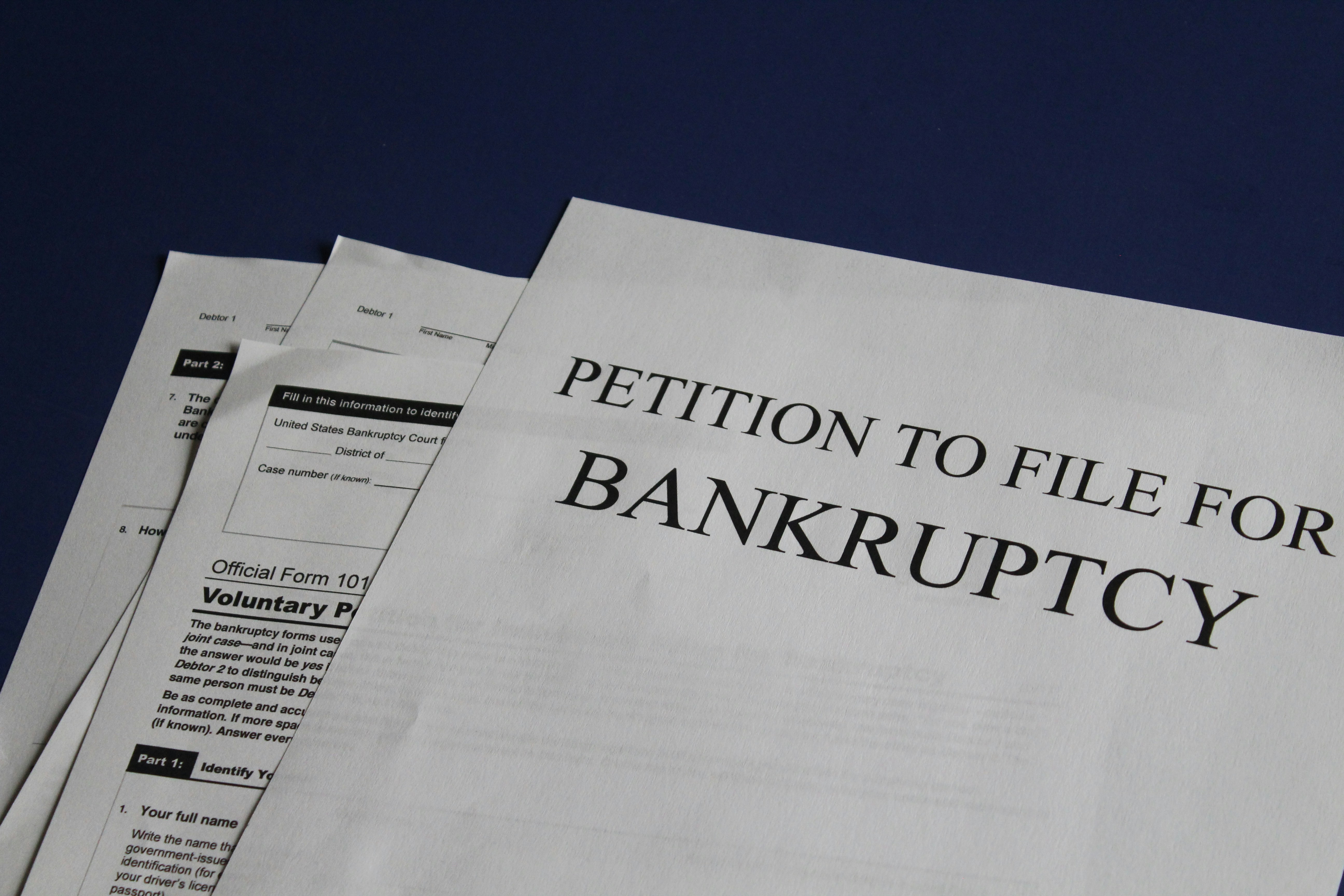
Understanding the bankruptcy process is crucial for anyone considering this path. Initially, one must gather a comprehensive set of documentation, such as income statements, tax returns, debts, and assets, which are necessary for completing the bankruptcy forms accurately. Typically, the process begins with filing a petition in federal bankruptcy court, where the nature of the case—whether it’s Chapter 7 or Chapter 13—will dictate the ensuing steps. After the petition is filed, an automatic stay is initiated, which temporarily halts all collection activities, offering relief to the filer.
The timeline for bankruptcy can vary significantly based on several factors including the complexity of the financial situation and the court’s schedule. Generally, a Chapter 7 bankruptcy may be resolved within three to six months, while a Chapter 13 process can take three to five years due to the structured repayment plan. During this period, it is imperative to adhere closely to court protocols to avoid complications. Attending the mandatory creditors meeting, or 341 meeting, where the debtor answers questions about their financial affairs, is an essential step of the process.
Post-bankruptcy considerations are equally important. Rebuilding credit can begin immediately after discharge, but it requires diligent financial management and possibly acquiring secured credit cards or loans. It is essential to monitor credit reports routinely to ensure all discharged debts are correctly marked. Furthermore, individuals should be aware of the long-term impacts of bankruptcy on their financial standing, as it may affect loan approvals and interest rates for years to come.
For those who wish to contest a bankruptcy ruling, there is an appeals process available. This can involve filing a notice of appeal within a specified time frame, where one must demonstrate valid reasoning for the appeal based on legal grounds. Overall, navigating bankruptcy involves understanding these critical components to effectively manage the outcome and rebuild towards a more stable financial future.