
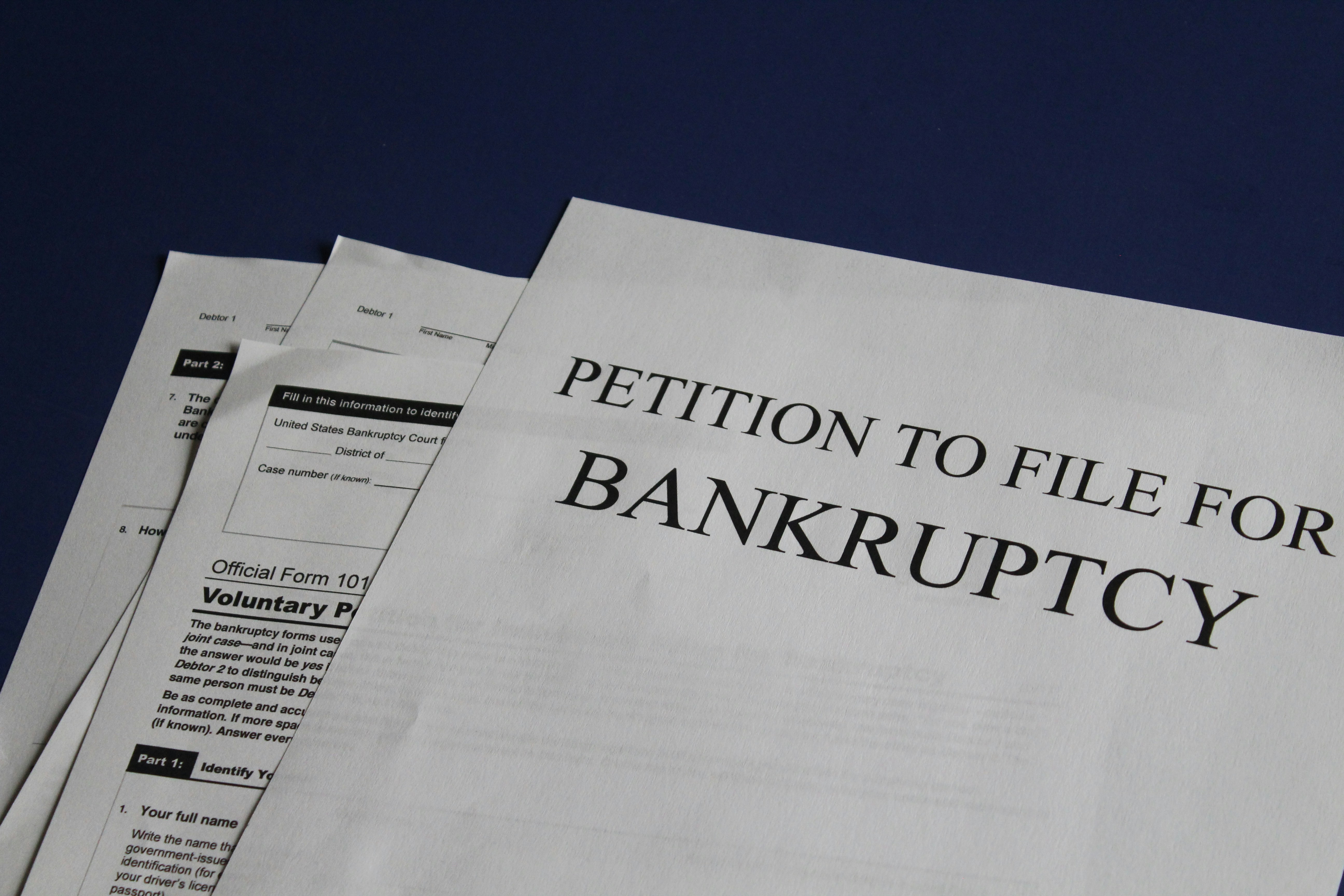
What is Bankruptcy?
Bankruptcy is a legal status that individuals or businesses can pursue when they are unable to repay their outstanding debts. It serves as a mechanism to provide relief from overwhelming financial obligations, allowing for a fresh start under the protection of the bankruptcy court. There are several types of bankruptcy that can be filed, with the most common being Chapter 7, Chapter 11, and Chapter 13, each catering to different financial situations.
Chapter 7 bankruptcy, often referred to as “liquidation bankruptcy,” involves the discharge of most debts. In this process, a trustee is appointed to evaluate the debtor’s assets, selling non-exempt property to repay creditors. Individuals typically opt for this type of bankruptcy when they have limited income and significant unsecured debts, such as credit card balances or medical bills.
Chapter 11 bankruptcy, frequently utilized by businesses, allows a company to reorganize its debts while continuing operations. This type is geared towards companies seeking to negotiate new terms with creditors, enabling them to maintain employment and sustain their business activities. It is considered more complex, as it involves developing a plan that demonstrates how the firm will manage its debts moving forward.
Chapter 13 bankruptcy, known as “reorganization bankruptcy” for individuals, enables filers to keep their property while repaying debts over a set period, typically three to five years. This option is often chosen by those who have a steady income but are struggling with secured debts, like mortgages or car loans, and wish to avoid foreclosure. The legal process of filing for bankruptcy can be intricate, often requiring the assistance of legal counsel to navigate the necessary paperwork and court appearances.
Individuals and businesses may choose bankruptcy for various reasons, including job loss, medical emergencies, or poor financial management. Common misconceptions about bankruptcy include the belief that it signifies moral failure or that it permanently ruins one’s credit score. In reality, bankruptcy is a legal tool that, while it may have lasting impacts on credit, also offers a chance for individuals and businesses to rebuild financially and regain a sense of stability.
The Bankruptcy Process: Step by Step
The bankruptcy process can be complex, involving several distinct steps that aim to provide relief from overwhelming financial burdens. The first step is often the assessment of one’s financial situation. Individuals should analyze their debts, income, and assets to determine whether bankruptcy is the most viable option compared to other debt relief alternatives such as debt settlement or credit management. This initial evaluation may also involve consulting with financial advisors who can offer insight into the potential implications of declaring bankruptcy.
Once the decision to file for bankruptcy is made, the next crucial step is to complete mandatory credit counseling. This counseling typically must be completed within 180 days before filing. The course helps individuals understand their financial situation better and explore all options available before proceeding with a bankruptcy petition. After successfully completing this counseling, one can move forward with filing the bankruptcy petition in the appropriate court, which includes submitting detailed financial records and schedules outlining debts and assets.
Following the petition filing, a critical milestone is the creditors’ meeting, often referred to as the 341 meeting. During this meeting, the bankruptcy trustee and creditors can ask the debtor questions pertaining to their financial affairs. It is essential to be well-prepared for this meeting, as it provides an opportunity to clarify any misconceptions and establish transparency with creditors and the court regarding the bankruptcy case.
Finally, after all the requisite steps have been completed, the discharge of debts occurs. This discharge officially releases the debtor from personal liability for certain debts, providing a fresh start. Throughout the bankruptcy process, various professionals such as bankruptcy attorneys play vital roles in assisting individuals, ensuring adherence to legal requirements, and enhancing the likelihood of a favorable outcome. Proper guidance can significantly influence the efficiency of navigating the bankruptcy process.
The Consequences of Bankruptcy
Declaring bankruptcy can have significant immediate and long-term consequences for an individual’s financial landscape. One of the most noticeable impacts is on the credit score. When a person files for bankruptcy, their credit score typically drops significantly. Generally, a bankruptcy filing can lower a credit score by anywhere from 130 to 240 points, depending on the score before filing. Furthermore, the bankruptcy record remains on a credit report for up to ten years, influencing one’s ability to secure future credit, loans, and mortgages during that time.
In terms of assets, bankruptcy may lead to the loss of certain possessions, as creditors can liquidate non-exempt assets to repay debts. However, exemptions may vary by state, allowing individuals to retain essential items such as a primary residence, a vehicle, and household goods. This variability can be pivotal for individuals contemplating bankruptcy, who should consider the implications on their personal belongings and financial stability.
Beyond the tangible financial effects, the emotional and psychological repercussions of bankruptcy cannot be overlooked. Many individuals experience feelings of shame, guilt, or failure following a bankruptcy declaration. It can create stress and anxiety, leading some to seek professional counseling to navigate these emotions. However, it is worth noting that bankruptcy can also provide a sense of relief by offering a fresh start, allowing individuals to rebuild their financial lives.
Rebuilding credit post-bankruptcy is indeed possible and requires proactive measures. Individuals can start by monitoring their credit reports regularly, paying bills on time, and considering secured credit cards to demonstrate responsible credit usage. As the years progress, their credit score can gradually improve, enabling them to regain financial credibility.
Alternatives to Bankruptcy
When faced with overwhelming financial difficulties, individuals may consider bankruptcy as a potential solution. However, it is essential to evaluate alternatives that can provide relief from debt without the long-term repercussions associated with bankruptcy. Debt settlement, debt consolidation, and credit counseling are three viable options that individuals may explore.
Debt settlement involves negotiating with creditors to reduce the overall amount owed. Typically, a borrower offers a lump-sum payment that is less than the total debt. While this approach can lead to significant savings, it may also impact the individual’s credit score as the accounts may be marked as settled for less than owed. In some situations, debt settlement can provide a more manageable path to financial recovery.
Debt consolidation is another alternative that allows individuals to combine multiple debts into a single loan with a lower interest rate. This process simplifies repayment by consolidating numerous payments into one monthly obligation. Furthermore, if the consolidation loan is secured against an asset, such as a home, it may lead to lower monthly payments. Nevertheless, it is crucial to ensure that this method does not result in extending the repayment period or increasing the total interest paid over time.
Credit counseling can serve as a valuable tool for individuals struggling with debt. Credit counselors provide guidance on budgeting, financial management, and developing a personalized debt repayment plan. Moreover, these professionals may negotiate with creditors for lower interest rates or different payment terms on behalf of their clients. While credit counseling is an empowering approach, individuals must be wary of potential fees and ensure that they work with reputable organizations.
Each of these alternatives has its own benefits and drawbacks, making it essential for individuals to assess their unique financial situations carefully. By exploring options like debt settlement, debt consolidation, and credit counseling, individuals can take proactive steps toward regaining control over their financial health.