
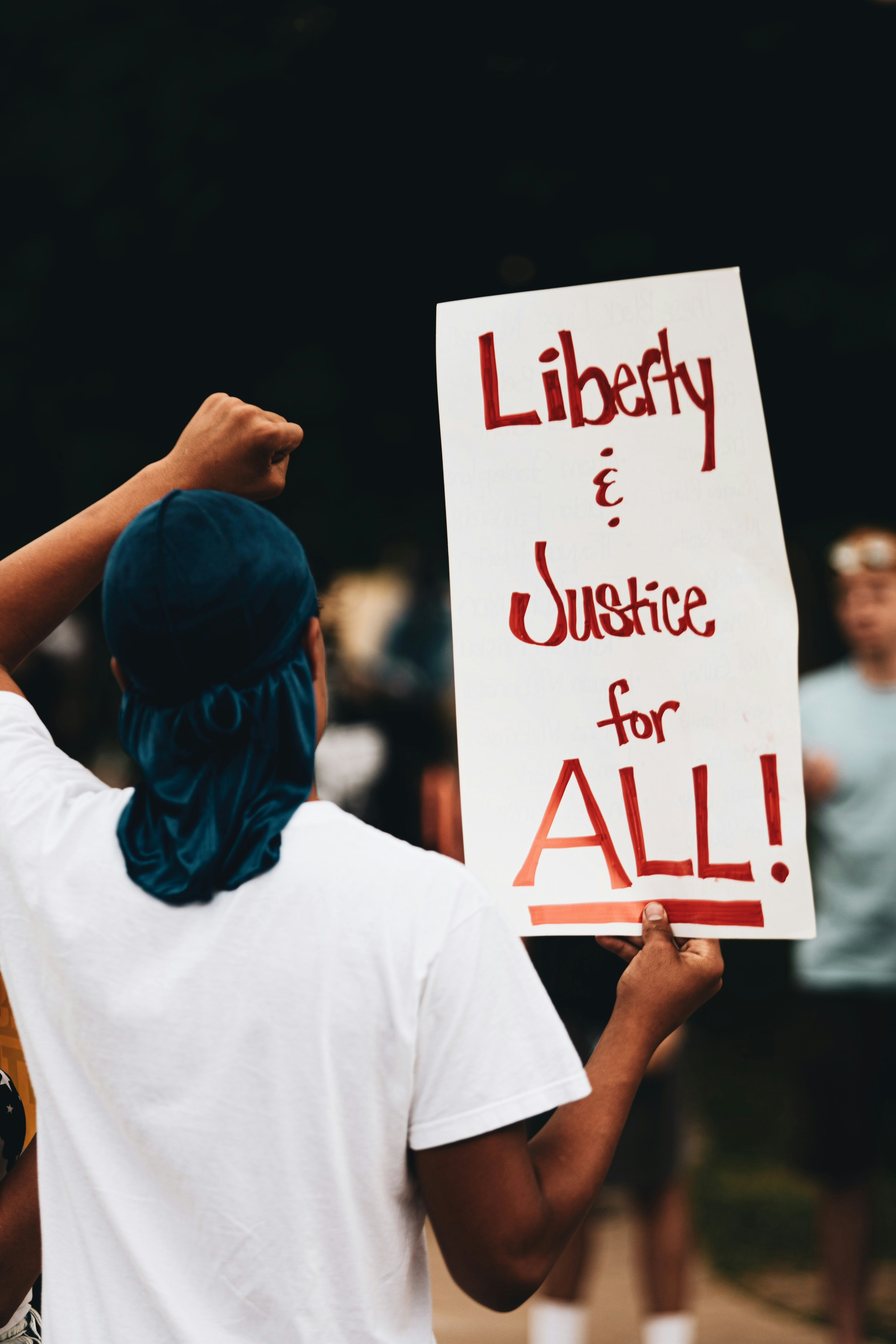
Introduction to Civil Rights Law
Civil rights law in the United States has evolved over centuries, reflecting the ongoing struggle for equality and justice. This body of law encompasses a range of legal protections designed to secure individual rights and freedoms guaranteed by the Constitution and federal legislation. The historical context is crucial for understanding the evolution of civil rights; from the abolition of slavery and the Civil War amendments to landmark legislation like the Civil Rights Act of 1964, each milestone marks significant progress toward ensuring equal treatment and protection for all citizens.
The central tenets of civil rights law involve safeguarding individuals against discrimination based on characteristics such as race, gender, age, and disability. Federal law, including the 14th Amendment’s Equal Protection Clause, establishes the legal framework that prohibits state-sponsored discrimination. Additionally, various federal statutes, such as the Voting Rights Act, secure the rights of individuals to participate in the electoral process without facing unfair barriers, thereby reinforcing the foundational principle of democracy.
State laws also play a critical role in protecting civil rights, often providing broader protections than federal statutes. For example, many states have enacted laws that specifically address discrimination in housing, employment, and education. These provisions are essential, as they create a more inclusive environment and promote social justice across diverse communities.
Understanding the significance of civil rights law is imperative for grasping the extensive advocacy efforts undertaken by civil rights lawyers. These legal professionals are instrumental in fighting against injustices and safeguarding the rights of marginalized populations. Their work encompasses a wide range of activities, from litigation to policy advocacy, ensuring that the principles embedded in civil rights law are upheld in society. This foundation establishes the critical role that civil rights lawyers serve in the relentless pursuit of justice.
The Historical Context of Civil Rights Advocacy
The evolution of civil rights advocacy in the United States has been a pivotal aspect of the nation’s history, marked by profound achievements and ongoing struggles. Key milestones have shaped the trajectory of civil rights, particularly during the Civil Rights Movement of the 1960s, which sought to dismantle systemic racism and insecurity affecting marginalized communities. This era was characterized by significant activism aimed at addressing inequities in voting, education, and employment, highlighting the urgent need for comprehensive reforms.
One of the most transformative pieces of legislation during this period was the Civil Rights Act of 1964. This landmark law prohibited discrimination based on race, color, religion, sex, or national origin, fundamentally altering the legal landscape in which civil rights lawyers operated. The passing of this act was a result of relentless advocacy and mobilization by various groups, including activists, community organizations, and notably, civil rights lawyers who played crucial roles in litigation that challenged segregation and discrimination.
Moreover, important Supreme Court decisions also contributed significantly to the advancement of civil liberties. Cases such as Brown v. Board of Education in 1954 declared the doctrine of “separate but equal” unconstitutional, leading to the desegregation of public schools. These decisions not only redefined legal interpretations of equality but also inspired further activism and the creation of more comprehensive civil rights policies.
Despite the legislative and judicial progress made, the struggles for civil liberties have persisted, signaling that the fight is far from over. Contemporary civil rights lawyers continue to navigate complex legal battles, advocating for the rights of vulnerable populations. From combating discriminatory practices to ensuring equitable access to justice, these legal professionals are essential in upholding the tenets of democracy and human rights that emerged from historical advocacy efforts.
The Role and Responsibilities of Civil Rights Lawyers
Civil rights lawyers play a vital role in safeguarding individual freedoms and advocating for marginalized communities. Their primary responsibility involves representing clients in cases of discrimination, whether that pertains to race, gender, sexual orientation, or disability. These attorneys work diligently to ensure that their clients receive fair treatment under the law and that any violations of their rights are addressed effectively. This often includes filing lawsuits against government entities or private organizations that perpetuate unjust practices.
In addition to direct representation, civil rights lawyers are instrumental in advocating for policy changes that promote social justice. They engage with legislators, contribute to public policy discussions, and push for reforms that advance civil rights and liberties. By participating in legislative processes and collaborating with advocacy groups, these lawyers seek to influence the creation and amendment of laws that impact the communities they serve. Their efforts ensure that the legal framework continually evolves to better protect individual rights and prevent discrimination.
Education is another crucial aspect of a civil rights lawyer’s responsibilities. They often conduct workshops, community seminars, and outreach programs to inform individuals about their rights and the legal resources available to them. This proactive approach empowers communities, equipping them with the knowledge necessary to advocate for themselves and seek legal recourse when their rights are violated. By fostering awareness and understanding, civil rights lawyers contribute to a more informed public and a culture of accountability.
Ethical considerations are paramount in the field of civil rights law. Attorneys must navigate complex moral dilemmas while remaining committed to justice and the rule of law. They must balance the needs of their clients with the broader implications of their work on society. This commitment to ethical practice underscores the significant responsibilities that civil rights lawyers undertake in their pursuit of equality and justice for all individuals.
Major Organizations and Movements in Civil Rights Law
Throughout history, various organizations and movements have emerged, playing an essential role in the advocacy of civil rights. One of the most prominent among these is the National Association for the Advancement of Colored People (NAACP), which was founded in 1909. The NAACP has actively fought against racial discrimination and serves as a vital support system for civil rights lawyers. Through litigation, public education, and advocacy, the NAACP aims to ensure legal equality and eliminate racial injustice, empowering lawyers to represent those whose rights have been violated.
Another significant organization is the American Civil Liberties Union (ACLU). Established in 1920, the ACLU is dedicated to defending individual rights and fostering civil liberties through zealous legal representation. The organization plays a crucial role in supporting civil rights lawyers by providing resources, legal expertise, and a powerful platform for advocating against injustices like discrimination, police brutality, and voter suppression. The ACLU’s impact on legal precedents is unprecedented, often serving as a litmus test for civil rights issues in U.S. courts.
In addition to these larger organizations, grassroots movements have also emerged to address community-specific needs. Activist groups at the local and national levels have mobilized individuals around particular social justice causes. From the Black Lives Matter movement, advocating against systemic racism and police violence, to initiatives focused on immigrant rights and LGBTQ+ recognition, these grassroots movements work collaboratively with civil rights lawyers to bring about legislative and judicial change. They provide vital community voices and help amplify the struggles faced by marginalized populations, establishing a clear partnership with legal professionals. This collaboration strengthens the overall fight for civil rights across multiple fronts.
Notable Cases and Their Impact
Civil rights lawyers have long played an essential role in shaping the legal landscape of the United States through a series of landmark cases that illustrate the broad spectrum of civil rights law. One such case is Brown v. Board of Education (1954), a historic lawsuit in which civil rights lawyers challenged the constitutionality of racial segregation in public schools. The Supreme Court’s unanimous decision declared that “separate but equal” educational facilities were inherently unequal, thus laying the groundwork for desegregation and advancing the cause of racial equality in education across the nation.
Another pivotal case is the Civil Rights Cases of 1883, which dealt with the issue of discrimination in public accommodations. Although the Supreme Court ruled against the plaintiffs at that time, this case highlighted the limitations of the 14th Amendment and pointed toward the future necessity of comprehensive civil rights legislation, ultimately influencing the passage of the Civil Rights Act of 1964. This landmark legislation made it illegal to discriminate based on race, color, religion, sex, or national origin, fundamentally reshaping American society.
Furthermore, the case of Loving v. Virginia (1967), which invalidated laws against interracial marriage, illustrated the crucial role that civil rights lawyers played in fighting against discrimination not only on racial lines but also on the basis of marital choice. The Supreme Court’s ruling underscored the importance of personal freedoms and equality under the law, resonating deeply within the public consciousness and serving as a catalyst for further legal advancements in civil rights.
Each of these notable cases serves as a testament to the indelible impact civil rights lawyers have had on American jurisprudence and social justice. They have shaped not only legal standards but also public awareness and discourse about rights and liberties, fostering a culture of inclusion and equality in various facets of society.
Challenges Facing Civil Rights Lawyers Today
Civil rights lawyers in the United States have historically been at the forefront of advocating for justice and equality. However, these dedicated professionals face a myriad of challenges in contemporary society. One of the most pressing issues is political opposition. In recent years, civil rights cases have often been met with significant resistance from various political factions, particularly those that may view such efforts as a threat to existing power structures. This opposition can manifest in legislative efforts aimed at undermining civil rights protections, thereby complicating the legal landscape in which these lawyers operate.
Resource limitations present an additional hurdle. Many civil rights organizations operate with tight budgets, relying heavily on donations and grants to fund their initiatives. As a result, civil rights lawyers often find themselves spread thin, managing multiple cases simultaneously while striving to provide comprehensive representation for their clients. The lack of sufficient financial backing can impede their ability to conduct thorough investigations, gather pertinent evidence, and engage expert witnesses, ultimately affecting the outcomes of their cases. Moreover, the competition for funding among various civil rights organizations exacerbates this issue, making it increasingly challenging for lawyers to secure the necessary resources.
Public perception also plays a critical role in the challenges facing civil rights lawyers today. While many individuals support civil rights efforts, there exists a segment of the population that views these lawyers skeptically, often perceiving them as activists rather than impartial legal professionals. Such perceptions can diminish the credibility of their work, making it difficult to garner public support for their causes. To combat these challenges, civil rights lawyers continuously adapt their strategies, leveraging social media and public outreach to inform and educate the public about their mission and the importance of civil rights advocacy. By innovating approaches to legal representation and community engagement, these lawyers strive to overcome the obstacles while remaining steadfast in their pursuit of justice.
The Future of Civil Rights Advocacy
The landscape of civil rights advocacy is continuously evolving, influenced by emerging trends and societal shifts. One of the most significant factors shaping this future is the integration of technology and social media into advocacy efforts. Today, platforms such as Twitter, Facebook, and Instagram serve as powerful tools for mobilizing support, spreading awareness, and fostering community engagement around civil rights issues. These digital channels not only allow civil rights lawyers to disseminate information rapidly but also give voice to marginalized groups who may not have had a platform in traditional media.
The increasing globalization of social movements also plays a crucial role in the future of civil rights. Activists across the world are inspired by one another’s strategies and victories, leading to a more interconnected approach to advocacy. This cross-border solidarity enhances the effectiveness of campaigns by sharing resources, knowledge, and strategies among civil rights lawyers and organizations. As movements like Black Lives Matter and Me Too gain international traction, they prompt discussions around universal human rights and the need for systemic changes on a global scale.
Furthermore, the rise of artificial intelligence and data analytics is redefining how civil rights lawyers approach their work. Data-driven insights can provide a better understanding of discrimination patterns and civil rights violations, enabling lawyers to build stronger cases. This reliance on technology also raises ethical questions, particularly regarding surveillance and privacy that affect marginalized communities, and civil rights advocates must navigate these challenges as they arise.
As we look ahead, the role of civil rights lawyers will continue to evolve in response to these emerging trends. They will not only act as legal representatives but also become strategic advisors who leverage technology to advance social justice. The future of civil rights advocacy holds promise, yet it requires unwavering commitment and adaptability as new technologies and global movements emerge.
Real-life Stories of Advocacy and Change
Within the landscape of civil rights in the United States, the narratives of dedicated lawyers serve as powerful reminders of the personal and professional sacrifices made in the pursuit of justice. One noteworthy example is the work of a civil rights attorney who represented marginalized communities in a high-profile housing discrimination case. Driven by a deep-seated belief in equality, the lawyer recounted moments of both despair and triumph as they navigated a legal system often resistant to change. The determination of their clients, many of whom faced tremendous adversity, fueled a shared hope that justice could indeed prevail.
Similarly, another civil rights lawyer reflected on their role in advocating for voting rights in a battleground state. Their journey involved not only legal expertise but also an understanding of the cultural and historical context of voter suppression. This attorney’s commitment was born from personal experiences witnessing family members marginalized from the electoral process. Through their work, they successfully challenged discriminatory laws, thereby restoring access to the ballot box for countless individuals. The victory was not merely legal; it represented a significant step toward empowering disenfranchised communities.
Moreover, the stories of these legal warriors often reveal the emotional toll of their advocacy. A civil rights lawyer, involved in representing victims of police brutality, shared the relentless emotional strain that accompanies such cases. Their clients’ pain became a catalyst for change, pushing the lawyer to tirelessly advocate for accountability and systemic reform. They spoke of the moments which sparked resilience, such as the support from community members and unexpected victories in court. Each narrative not only illustrates the challenges faced but also highlights the profound rewards of effecting meaningful change and fighting for civil liberties.
How to Support Civil Rights Efforts
Supporting civil rights efforts is essential for fostering a society that upholds justice and equality. Individuals can play a vital role in this ongoing struggle by taking action through various means. One of the most impactful ways to contribute is through volunteering. Many civil rights organizations are actively seeking volunteers to assist with a range of activities, from administrative tasks to community outreach and education. By dedicating your time and skills, you can help amplify the mission of these organizations, making a tangible difference in the lives of those affected by injustice.
In addition to volunteering, financial contributions are crucial for the sustainability of civil rights efforts. Donations to reputable civil rights organizations enable them to expand their programs, fund legal battles, and cover operational costs. Consider making a one-time donation or setting up a recurring contribution to a cause that resonates with you. Engaging with these organizations on social media can also raise awareness within your networks, encouraging others to support their work.
Raising awareness is another effective method to support civil rights advocacy. Engaging in conversations about civil rights issues, sharing informative content, and participating in local forums can help educate others about the importance of these efforts. You may also consider organizing or attending events, such as marches or community discussions, which can serve as platforms for mobilizing collective action. By informing yourself and those around you about current civil rights challenges, you contribute to a more informed public, which is vital in advocating for change.
Ultimately, supporting civil rights lawyers and organizations requires a multifaceted approach. Whether through volunteering, donating, or raising awareness, every effort counts in the relentless pursuit of justice for all. Together, communities can empower civil rights advocates, ensuring that voices for social justice continue to resonate across the nation.