Introduction to Legal Mistakes
Legal mistakes represent a crucial aspect of life that, despite their significance, often go unrecognized by many Americans. They can manifest in various forms, ranging from misunderstandings of contractual obligations to misinterpretations of applicable laws. To comprehend the implications of legal mistakes, it is vital to grasp what they entail and the potential repercussions they may have on one’s life.
At their core, legal mistakes refer to errors made in the understanding or execution of legal rights or responsibilities. These mistakes can occur in numerous contexts, such as real estate transactions, employment agreements, or family law matters. For instance, failing to comprehend the terms of a contract can lead to unintended liabilities or loss of rights; thus, acknowledging these pitfalls is essential for protecting oneself from unwanted legal entanglements.
The importance of recognizing common legal mistakes cannot be overstated. Individuals who are uninformed about basic legal principles expose themselves to risks that may have long-lasting implications. Poor legal decisions can significantly affect both personal and professional spheres, including financial stability, social relationships, and access to essential services. Furthermore, many legal missteps can be mitigated through simple preventive measures, such as seeking legal advice before making significant decisions.
Understanding the landscape of legal mistakes empowers Americans to navigate their responsibilities more effectively and avoid common pitfalls. In an ever-evolving legal environment, where regulations and laws continuously change, staying informed becomes increasingly essential. Familiarity with legal concepts not only enhances personal decision-making but also fosters a culture of awareness, ultimately contributing to a more legally astute society.
Neglecting Written Contracts
In the realm of legal agreements, one of the most prevalent mistakes individuals and businesses make is neglecting to use written contracts. While verbal agreements may seem convenient and sufficient, they often lead to misunderstandings and disputes that could have been avoided with formal documentation. Written contracts serve as legally binding records that clearly outline the terms and conditions agreed upon by both parties, providing a framework for enforcement if disputes arise.
One major risk associated with relying solely on verbal agreements is the inherent subjectivity involved. Different interpretations of spoken terms can easily lead to conflicting expectations and outcomes. For instance, in a business transaction involving the sale of goods or services, if the terms of payment, delivery, and quality are not explicitly documented, disagreements can arise. A party may assume a certain standard or timetable, while the other has a different understanding, leading to potential litigation.
Moreover, written contracts contribute to transparency in various transactions ranging from real estate deals to employment agreements. Consider a situation where an individual hires a contractor for home renovations. Without a written agreement detailing the scope of work, payment schedules, and deadlines, both parties may find themselves at odds over what was promised versus what was delivered. In such cases, having a documented contract protects all involved by creating a tangible reference point that can be referenced in the event of a dispute.
In summary, neglecting written contracts can lead to a myriad of legal issues that are easily preventable. It is essential for both individuals and businesses to recognize the importance of formal documentation. Establishing written contracts not only clarifies obligations and expectations but also serves as a safeguard against potential legal complications that may arise from misunderstandings or miscommunications.
Ignoring Employment Laws
One of the most prevalent legal mistakes made by employers and employees alike in the United States is the ignorance of employment laws. These laws are designed to protect the rights of employees and maintain a fair working environment. However, failure to comply can lead to significant legal complications, including costly litigation or financial penalties for businesses. It is crucial for both employers and employees to familiarize themselves with federal and state regulations regarding employment.
Workplace discrimination is a major area where legal pitfalls can occur. Employees have the right to work in an environment free from bias based on factors such as race, gender, religion, or disability. An employer’s lack of awareness regarding these regulations can result in discriminatory practices, leading to potential lawsuits. Moreover, it not only damages the company’s reputation but can also result in hefty fines enforced by the Equal Employment Opportunity Commission (EEOC) or equivalent state agencies.
Another serious legal issue within the employment sector is wrongful termination. Employees are legally protected from being dismissed for reasons that violate their rights, such as retaliation for whistleblowing or for taking family medical leave. Misunderstanding the boundaries of lawful termination can place employers at risk, as insufficient grounds for dismissing an employee might prompt them to pursue legal action against the organization.
Furthermore, a lack of awareness regarding employee rights often leads to the neglect of labor laws pertaining to minimum wage, overtime pay, and workplace safety. Employers assuming they can bypass these regulations may find themselves facing litigation under the Fair Labor Standards Act (FLSA) or related statutes. Each of these areas highlights the importance of understanding employment laws to avoid severe legal ramifications.
Improper Estate Planning
Estate planning is a crucial aspect of financial management that ensures an individual’s wishes regarding their assets and dependents are honored after their passing. A common legal mistake many Americans make is failing to create a will or not updating it when significant life changes occur. The absence of a will can lead to an array of complications, including disputes among heirs and protracted probate processes, which can be both emotionally and financially taxing for surviving family members.
Another frequent oversight is neglecting to update beneficiaries on financial accounts and insurance policies. Life events such as marriage, divorce, the birth of a child, or the death of a loved one necessitate changes in beneficiary designations to reflect current wishes accurately. Failing to do so may result in unintended heirs receiving assets, leading to familial discord and delightful legal challenges that could have been easily avoided.
The implications of improper estate planning extend beyond familial relationships; they can include unforeseen tax consequences. An improperly structured estate may be subject to higher taxes, diminishing the value of the assets passed to heirs. Furthermore, without proper planning, individuals may overlook opportunities for tax-saving strategies that could benefit their estate and heirs in the long run.
To avoid these pitfalls, individuals are encouraged to engage in thorough estate planning. Creating a legally binding willensures that one’s wishes are documented and respected. Regularly reviewing and updating this document, along with other related legal documents, is vital. Consulting with a knowledgeable estate planning attorney can provide valuable insights into structuring an estate effectively, ensuring compliance with current laws, and minimizing tax liabilities. By proactively addressing these issues, Americans can safeguard their legacy and provide clarity for their loved ones during a difficult time.
Neglecting to Consult Legal Professionals
Many individuals underestimate the importance of seeking legal advice when faced with complicated legal issues. One of the most prevalent legal mistakes Americans make is neglecting to consult with qualified legal professionals. This oversight can lead to dire consequences, particularly in situations where legal rights and obligations are at stake. Whether dealing with contracts, family matters, or navigating the intricacies of criminal law, the nuances can be overwhelming without expert guidance.
For instance, consider a scenario where an individual attempts to negotiate the terms of a divorce settlement without professional help. They may overlook crucial aspects of asset division or child custody agreements, resulting in unfavorable outcomes that could have been avoided with proper legal counsel. A family law attorney would typically outline the individual’s rights and responsibilities, ensuring a more equitable resolution.
Additionally, individuals starting a business frequently make the mistake of forgoing legal consultation. Without a thorough understanding of business laws, zoning regulations, and licensing requirements, they risk severe setbacks, such as incurring fines or failing to protect intellectual property. A business attorney’s insight can help navigate these waters, safeguarding against costly legal pitfalls.
The repercussions of handling legal matters alone extend beyond financial loss. In some situations, individuals may even face criminal charges due to misinterpreting legal documents or failing to adhere to established regulations. The assistance of a criminal defense attorney can provide clarity and support, ensuring that defendants are adequately represented and informed of their legal standing.
Ultimately, the costs associated with legal representation are often justified by the protection and peace of mind it provides. Consulting with legal professionals allows individuals to make informed decisions, minimizing risks and navigating the complexities of the legal landscape more effectively. Recognizing the value of legal expertise can mitigate the potential for mistakes that could have lasting repercussions.
Misunderstanding Liability and Insurance
Liability and insurance are fundamental concepts that often elude many Americans, leading to significant legal pitfalls. Understanding personal liability is crucial; individuals are typically responsible for their actions and can be held accountable for damages resulting from negligence. For instance, a homeowner who neglects to clear ice from their walkway may face liability if a visitor slips and falls, resulting in injury. It is vital for individuals to assess their liability exposure and take appropriate measures to mitigate risks.
Business liability is another area that poses risks for entrepreneurs and small business owners. Many entrepreneurs underestimate their exposure to potential claims, often operating under the assumption that their personal insurance will cover business-related incidents. This misconception can result in substantial financial losses. Businesses should invest in comprehensive liability insurance that specifically addresses the risks associated with their operations. Different types of coverage, such as general liability, professional liability, and product liability insurance, serve various needs and should be tailored to match the business environment accurately.
Moreover, understanding the intricacies of insurance policies is paramount. Many individuals purchase insurance without fully grasping the terms, leading to inadequate coverage that fails to protect them when needed. For example, limitations and exclusions in a policy might preclude coverage for specific incidents, leaving policyholders exposed to unforeseen liabilities. Therefore, it is advisable to consult with insurance professionals who can explain the nuances of policies and identify potential gaps in coverage.
To avoid legal complications stemming from misunderstandings about liability and insurance, individuals and business owners must prioritize education on these topics. This understanding not only safeguards personal and business interests but also ensures compliance with various legal requirements.
Lacking Compliance with Regulations
Compliance with local, state, and federal regulations is essential for both individuals and businesses to operate legally and avoid potential legal challenges. Many entities mistakenly overlook the requirements for necessary permits, licenses, and varying regulatory standards. This oversight can lead to serious legal ramifications, sometimes resulting in hefty fines, lawsuits, or even the shutdown of operations.
One common mistake occurs when businesses fail to acquire the appropriate licenses. For instance, a food truck operating without a health permit may be subject to immediate penalties or closure by health inspectors. This violation not only disrupts operations but can also damage the business’s reputation. Similarly, a small business owner may neglect obtaining a business license specific to their city or state, leading to fines that can escalate quickly depending on the duration of non-compliance.
Moreover, individuals often neglect regulations concerning property use. For example, homeowners conducting renovations without the required building permits may find themselves in a legal dispute with local authorities. If an unpermitted renovation causes structural issues or violates zoning laws, the homeowner could be forced to undo the work, incurring additional costs and delay.
Real estate transactions are another area where non-compliance is frequently encountered. Buyers and sellers may overlook the need for disclosures mandated by law. Failure to adhere to these rules can lead to lawsuits for fraud or misrepresentation, resulting in costly settlements or damages awarded to the injured party.
In summary, understanding and adhering to all relevant regulations is crucial for avoiding legal pitfalls. By prioritizing compliance and staying informed about permits and licenses pertaining to one’s activities, individuals and businesses can significantly reduce the risk of facing legal challenges and ensure smoother operations in the long term.
Understanding Personal Rights
One of the most prevalent yet often overlooked legal missteps that Americans make is failing to educate themselves about their personal rights. This ignorance can result in various legal challenges that might easily have been avoided had individuals sought knowledge and understanding of the rights afforded to them under the law. Personal rights, often referred to as civil rights, encompass a wide range of protections related to individual freedom and the fair treatment of all citizens.
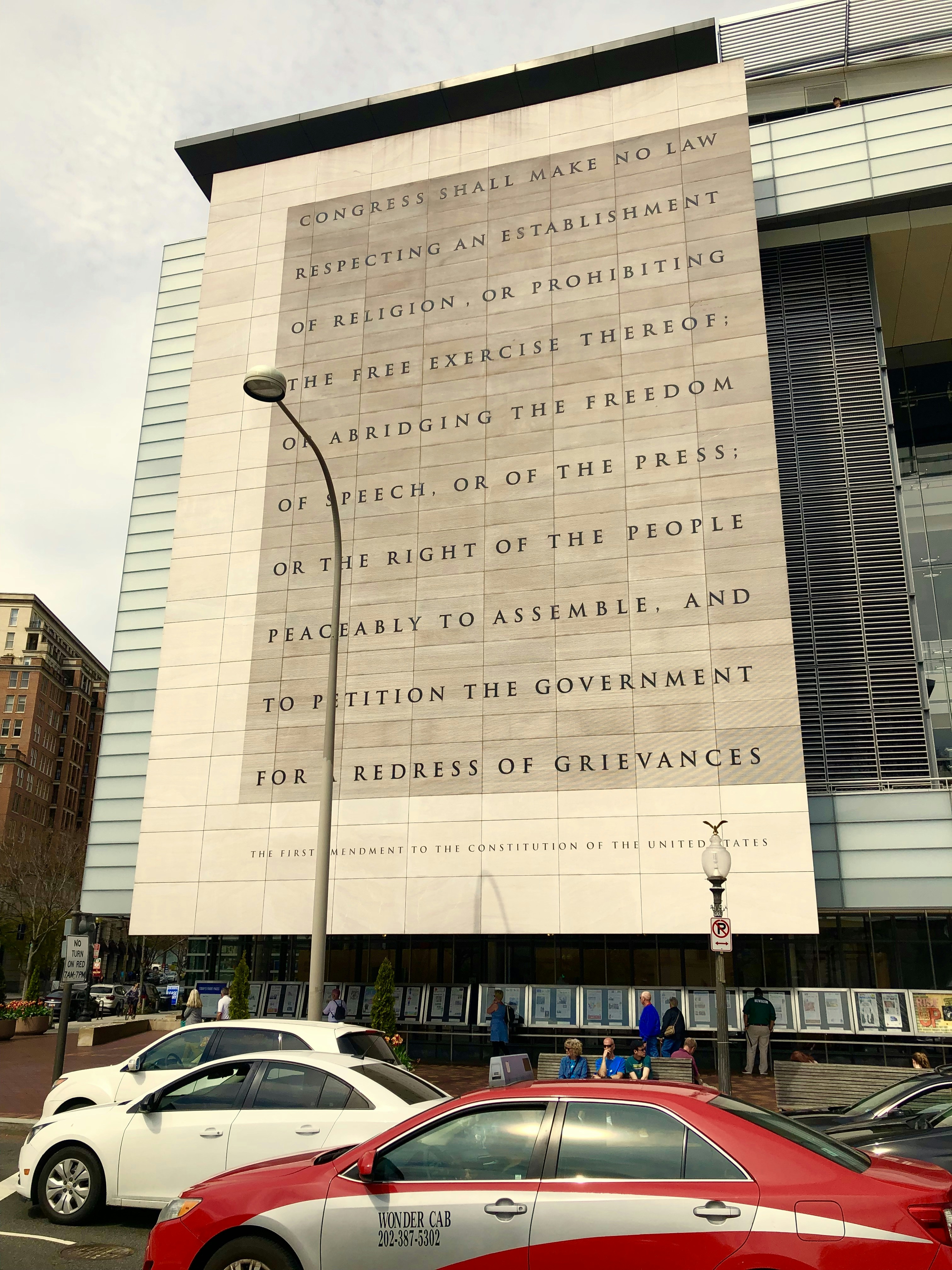
In the United States, citizens are granted specific rights through the Constitution, laws, and judicial precedents. For example, the First Amendment protects freedoms concerning religion, expression, assembly, and the right to petition. Failure to recognize these crucial rights can lead to situations where individuals unwittingly relinquish their entitlement to due process or free speech, often in everyday scenarios such as interactions with law enforcement or situations involving employment and housing discrimination.
Common situations where ignorance of personal rights might lead to legal troubles include encounters with law enforcement officers. Many citizens may not know they have the right to remain silent or to request an attorney. Additionally, individuals may not be aware of their rights against wrongful termination in the workplace or their protection under the Fair Housing Act. Such ignorance can lead to exploitation, discrimination, or unjust treatment.
To combat the pitfalls of ignorance, it is vital to seek out resources that provide training and education on individual rights. Numerous organizations and online platforms offer workshops, seminars, and informative material that can help individuals better understand their entitlements. By empowering oneself with knowledge regarding personal rights, individuals can confidently navigate the legal landscape, protecting themselves from potential injustices and ensuring their voice is heard within the legal system.
Conclusion and Best Practices
Throughout this discussion, we have highlighted several prevalent legal mistakes that Americans commonly encounter, including failure to understand contractual obligations, neglecting estate planning, and inadequate documentation in business dealings. Each of these errors can have serious ramifications, not just financially, but also in terms of personal and professional relationships. As individuals navigate the complexities of legal obligations, recognizing and addressing these potential pitfalls is essential for protecting oneself and one’s interests.
To mitigate these mistakes, it is imperative to adopt a proactive approach to legal matters. One key best practice is to seek professional legal advice when entering into contracts or agreements, ensuring that terms are clearly understood and that potential liabilities are identified. Regularly consulting with an attorney, especially during significant life events such as marriage, divorce, or the birth of a child, can also aid in maintaining a clear legal framework that protects an individual’s rights and assets.
Furthermore, developing a robust estate plan is crucial to avoid complications and disputes among heirs. By taking the time to create a will, set up trusts, and establish powers of attorney, individuals can ensure their wishes are honored and reduce the likelihood of conflicts. Keeping thorough documentation of all transactions and agreements is another best practice that prevents misunderstandings and legal disputes down the line.
In summary, legal literacy is essential for every American. By being informed about common legal issues and implementing proactive strategies, individuals can significantly reduce their risk of falling into legal pitfalls. Taking charge of one’s legal knowledge and responsibilities can pave the way towards a more secure and informed legal future.