
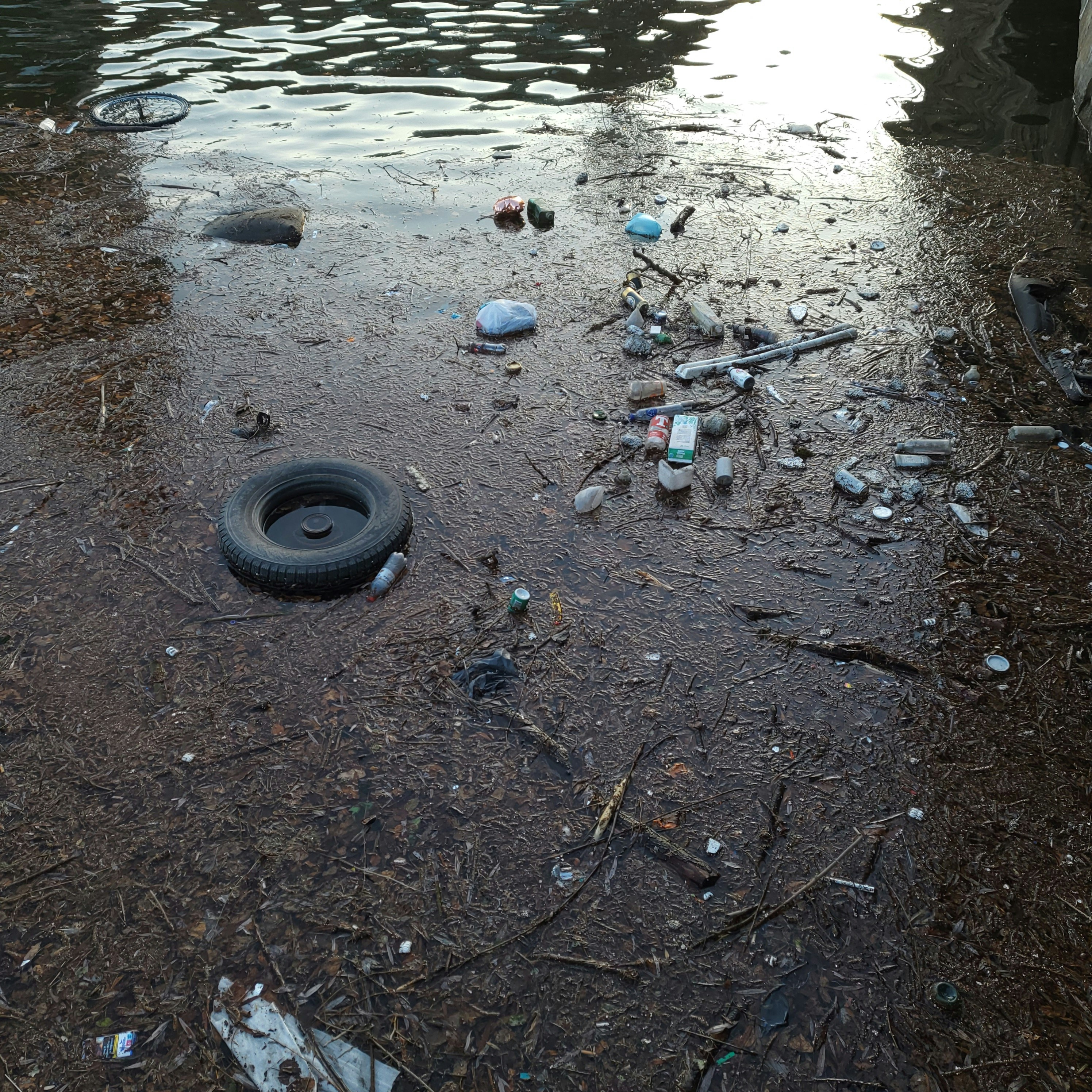
Introduction to Environmental Law and Water Contamination
Environmental law refers to a body of legal statutes, regulations, and common laws that focus on protecting the environment, public health, and natural resources. This area of law plays a crucial role in regulating human activities that may contribute to the degradation of ecosystems and the wellbeing of wildlife. One of the significant issues within environmental law is water contamination, which poses serious risks to both human populations and the environment.
Water contamination can arise from a range of pollutants, which are typically categorized into several groups, including chemicals, pathogens, and heavier metals. Industrial discharge, agricultural runoff, and improper waste disposal are common sources of these pollutants. When released into water bodies, these harmful substances can severely impact aquatic ecosystems, leading to the degradation of habitat and biodiversity. Moreover, contaminated water can enter the food chain, posing serious health risks to humans and animals alike.
The legal framework that governs water contamination issues is complex, involving federal, state, and local regulations. Key legislation such as the Clean Water Act aims to restore and maintain the integrity of the nation’s waters by regulating the discharge of pollutants and establishing water quality standards. Additionally, various environmental protection agencies, including the Environmental Protection Agency (EPA) in the United States, are established to enforce these laws, monitor water quality, and hold violators accountable. These agencies play a vital role in promoting compliance with environmental laws and ensuring public safety.
Determining responsibility for water pollution is essential in addressing contamination issues. Generally, parties such as corporations, waste management companies, and even municipalities can be held liable for their role in water contamination. Understanding your rights and the legal avenues available to address water contamination is paramount, as it empowers citizens to advocate for a safer and cleaner environment.
Legal Framework for Water Contamination Lawsuits
Water contamination lawsuits are governed by a complex legal framework that includes both federal and state regulations. At the federal level, the Clean Water Act (CWA) serves as the cornerstone legislation aimed at protecting the quality of the nation’s surface waters from pollution. The CWA establishes a framework for regulating discharges of pollutants into navigable waters, and it provides citizens with the right to file lawsuits against violators, thereby promoting public involvement in safeguarding water resources.
In addition to the CWA, state laws also play a significant role in addressing water contamination issues. Each state has its own set of regulations governing water quality and discharges. For example, many states implement their own versions of water quality standards and permitting processes, which might be more stringent than federal guidelines. Understanding these local laws is essential for individuals or communities affected by water pollution to effectively navigate the legal system.
The burden of proof in water contamination lawsuits typically falls on the plaintiff, meaning individuals or communities must provide sufficient evidence to demonstrate that their water source has been contaminated. This often requires expert testimonies, water quality testing, and historical data to establish both the presence of pollution and the link to the responsible parties. Legal avenues for seeking justice may include filing a lawsuit for negligence, strict liability, or public nuisance, each with its own set of requirements and implications.
Moreover, individuals can also benefit from several federal and state grants or programs aimed at supporting those affected by water contamination. Engaging with community organizations or legal experts specializing in environmental law can provide valuable guidance through the intricacies of the legal process. Overall, understanding the legal framework surrounding water contamination assists affected parties in asserting their rights and seeking appropriate remedies.
Case Studies: Successful Toxic Spill Lawsuits and Wildlife Protection
In recent years, several high-profile toxic spill lawsuits have not only resulted in substantial legal victories but have also significantly advanced wildlife protection initiatives. One notable example is the case of the Deepwater Horizon oil spill in 2010, which was a catastrophic event affecting marine life and coastal ecosystems across the Gulf of Mexico. Following this disaster, numerous lawsuits were filed against BP and other responsible parties. The settlements reached in these cases included billions of dollars allocated towards environmental restoration projects aimed at healing affected wildlife habitats. This case exemplifies how litigation can compel corporations to fund conservation efforts, thus bolstering wildlife protections.
Another significant case is the Vermont Department of Environmental Conservation v. Stowe Mountain Resort. This case involved allegations of illegal stormwater discharge that harmed local waterways and aquatic species. The successful lawsuit led to the implementation of stricter regulations governing runoff and pollution control by resorts in the region. The outcome not only rectified the immediate environmental harm caused by the resort but also set a precedent for enforcing tougher compliance standards across similar establishments. It underscored the legal framework that protects water quality and instigated a broader discussion about sustainable practices in the resort industry.
These case studies highlight the critical role advocacy groups and legal experts play in championing wildlife protection through litigation. Organizations such as the Natural Resources Defense Council (NRDC) often collaborate with local communities to bring attention to environmental injustices resulting from toxic spills. Their efforts forge a connection between the legal system and grassroots movements advocating for wildlife conservation. Consequently, these successful lawsuits contribute not only to the immediate recovery of affected ecosystems but also foster a framework for future environmental compliance and public policy reform.
Seeking Legal Help: What to Do If You’re Affected by Water Contamination
If you suspect that you have been affected by water contamination, it is crucial to take appropriate steps to understand your rights and seek legal assistance. The first step is to gather evidence related to the contamination. This can include documenting any changes in your water quality, collecting samples for testing, and keeping records of any symptoms or health issues that may arise. It is also advisable to take photographs or maintain a log of any observable effects around your property or community.
Understanding your rights is also essential when dealing with water contamination. Familiarize yourself with local environmental laws and regulations that pertain to water safety and contamination. Individuals often have the right to seek remediation for damages caused by polluted water sources. This knowledge will empower you in discussions with legal professionals and regulatory authorities.
Consulting with an environmental lawyer who specializes in water contamination and hazardous waste regulation is an important next step. These legal experts can provide insights into your situation and advise on the best course of action. They can help you navigate complex legal frameworks, assist with gathering necessary evidence, and represent you in potential lawsuits against entities responsible for the contamination.
In addition to seeking private legal assistance, consider reaching out to advocacy organizations that specialize in environmental issues. These groups can provide valuable resources, including information on legal representation, community support, and educational materials on environmental compliance matters. Local and national organizations often maintain listings of legal professionals experienced in handling water contamination cases.
By collecting evidence, understanding your rights, consulting with specialized lawyers, and leveraging support from advocacy organizations, you can effectively navigate the complexities of water contamination issues and pursue the necessary legal remedies. Taking these steps can ultimately lead to resolution and support for affected individuals and communities.